
Annual Life Insurance Review Checklist for Canadians
Personal Finance, Life Insurance, Canada
Annual Life Insurance Review Checklist for Canadians
Life insurance is not a “buy it once and forget it” decision. The coverage that made sense five years ago may no longer match your life today. A short annual review is one of the simplest habits that keeps your family’s protection actually aligned with your life and it costs nothing but a few minutes of your time once a year.
A yearly life insurance checkup helps ensure your coverage still fits your life, your family, and your financial goals. Use this Canadian-focused checklist to review your policy with clarity and confidence.
Why an annual check-in matters
Most people only think about their life insurance when they first buy it. But life changes constantly, income grows, debt shifts, families grow, and goals evolve. A policy that was perfectly sized when you bought it can quietly become underinsured (or, less commonly, more coverage than you still need) without anyone noticing until it matters. Think of it the same way you would think about reviewing a budget: not because something is necessarily wrong, but because circumstances drift over time in ways that are easy to miss day to day.
What to check each year
1. Has your income changed?
If your income has grown significantly since your last review, your coverage amount — based on income replacement — may no longer reflect what your family would actually need.
2. Has your debt changed?
A larger mortgage, a new loan, or newly paid-off debt all shift the coverage gap calculation. If you paid off your mortgage, you may need less coverage. If you took on a larger one, you may need more.
3. Has your family grown?
A new child changes both the income-replacement years needed and future costs like education. This is one of the most common triggers for needing to increase coverage.
4. Are your beneficiaries still correct?
As covered in our beneficiary articles, this is the detail most people forget. Confirm your named beneficiaries still reflect your current relationships and intentions.
5. Is your existing coverage still competitive?
If you were declined or rated up due to a past health issue that has since improved (such as quitting smoking, or a resolved medical condition), you may now qualify for better rates than when you first applied.
6. Do you have any new gaps?
A new business, a second property, or a new dependent (such as an aging parent) can all create coverage needs your original policy never accounted for.
7. Are your group benefits still active and adequate?
If you changed jobs, your previous group coverage may have ended. Confirm what your current employer actually provides, and whether it is enough on its own.

Major life events are your cue to adjust coverage, not to delay decisions.
What about your term policy’s expiry date?
If you hold a term policy, it is worth marking the expiry date clearly and reviewing your plan well before it arrives. Letting a term lapse without a plan whether that is renewing, converting to permanent coverage, or applying fresh can leave a gap at exactly the wrong moment, particularly if your health has changed since your original application.
What a review is not
An annual review is not about being upsold into more coverage every year. Sometimes the right outcome of a review is confirming your current coverage is still appropriate, and that is a perfectly good result. The point is making sure the decision is intentional, not accidental.
A simple way to build the habit
Pick a date that is easy to remember, your birthday, the start of a new year, or your policy anniversary and treat it as your annual check-in. A short conversation once a year is far easier than discovering a coverage gap during a crisis.
What an annual review conversation actually looks like
It is usually shorter than people expect - a brief check-in covering the questions above, comparing them against what is currently on file, and flagging anything that has shifted. If nothing material has changed, the review simply confirms your plan is still on track, which is itself useful peace of mind. If something has changed, it becomes the starting point for a focused conversation about what, if anything, should be adjusted — without any pressure to act immediately.
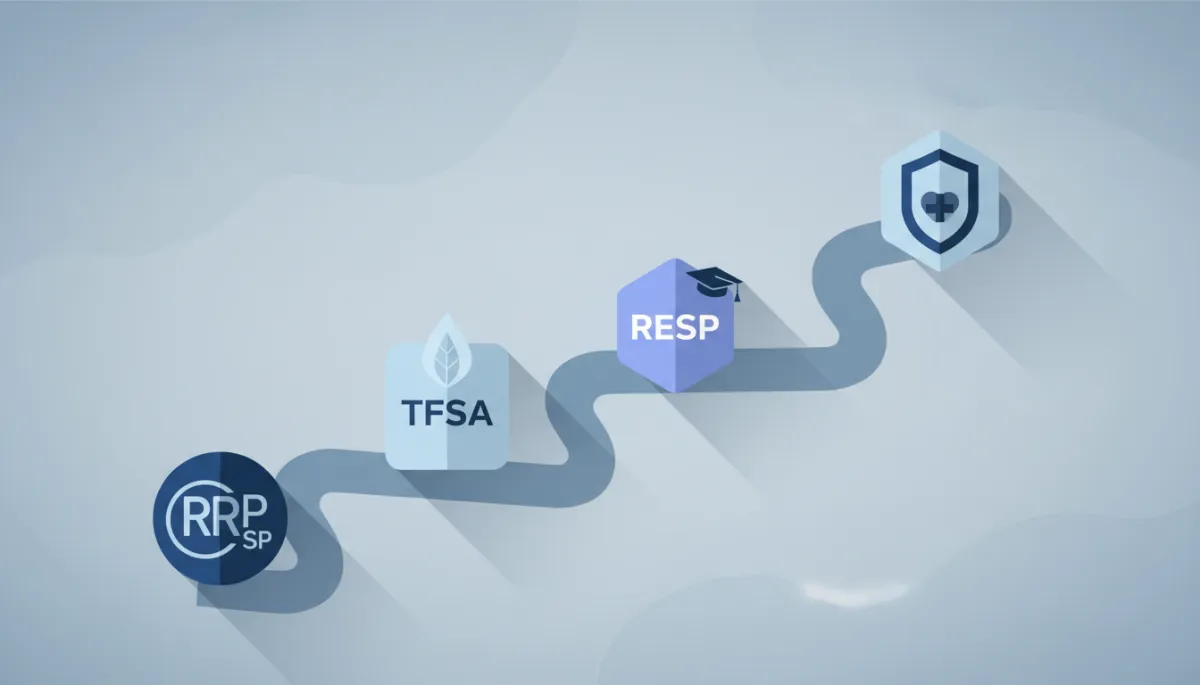
Align your policy with savings, debts, and estate plans for true protection.
Common questions
Does an annual review cost anything?
No - a review conversation is simply about confirming your existing coverage still fits your life; any changes to your policy are a separate, voluntary decision.
What if my health has changed since I last applied?
A health change does not automatically affect your existing coverage, but it is relevant if you are considering applying for additional coverage, since that would involve new underwriting.
How often should I really do this - every year, or only after big changes?
Both. An annual check-in catches gradual changes, while major life events (marriage, a new child, a new mortgage) deserve an immediate review rather than waiting for the next scheduled one.
What if I cannot remember the details of my existing policy?
This is more common than people expect, especially for policies purchased years ago. A short conversation with an advisor can help track down your policy details, confirm what is currently in force, and rebuild a clear picture of your coverage, there is no need to have every detail memorized before starting a review.
Where to start
If you read this and realized you are not sure where you stand, that is normal, most people are not. A free 20-minute conversation is enough to find out what you actually need, in plain language, with no pressure and no obligation.
Book your free 20-minute consultation
This content is for educational purposes only and does not constitute financial, legal, or tax advice. Speak with a licensed advisor about your specific situation.
