The government will add up to $90,000
to your family member's savings account.
One tax form unlocks all of it.
Most families find out years too late.
The Registered Disability Savings Plan exists specifically for Canadians living with a disability. It comes with federal grants and bonds that no other account offers. The sooner it opens, the more the government contributes.
WHAT THE RDSP IS AND HOW TO START
It is a registered savings plan designed specifically for Canadians with a disability, and it comes with money from the government that no other account provides.
An RDSP is opened for a person who qualifies for the Disability Tax Credit. Once open, contributions grow tax-sheltered, and the federal government adds grants and bonds on top of whatever the family contributes. The beneficiary can be any age, from infancy through their 50s, though the grants and bonds stop being paid after the year the beneficiary turns 49.
There is no annual contribution limit, though the lifetime cap across all RDSPs for a given beneficiary is $200,000. Contributions do not produce a tax deduction the way an RRSP does, but the investment growth inside is sheltered until it is withdrawn.
The single most important first step is the Disability Tax Credit application. Until the Canada Revenue Agency approves the DTC for the beneficiary, the RDSP can be opened but no grants or bonds will be deposited. Many families open the RDSP first and then await the DTC decision, so contributions can go in immediately even before the government money starts flowing.
Book a free consultationThe DTC comes first. Here is the sequence.
The Disability Tax Credit is the gateway. Every step that follows depends on it being approved by CRA.
Apply for the Disability Tax Credit (DTC)
A qualified medical practitioner completes Form T2201 describing the nature of the disability. CRA reviews and approves or denies. Approval can take several months; apply as early as possible.
Open the RDSP
The beneficiary (or a parent/guardian/authorized holder) opens an RDSP with a financial institution. You can open it before DTC is approved to begin making contributions.
Government grants and bonds begin depositing
Once DTC is approved, grants and bonds are applied for and begin depositing. Prior-year entitlements can often be carried forward up to 10 years.
Investments grow tax-sheltered
All contributions, grants, bonds, and investment returns compound inside the account without being taxed until withdrawal.
Grant entitlements can be carried forward for up to 10 years. If the DTC was approved retroactively, you may be able to collect grants for prior years in which the beneficiary would have qualified.
WHAT THE GOVERNMENT CONTRIBUTES
Two separate government programs add money to the RDSP. Both are income-tested. Neither requires you to contribute first to receive one of them.
CDSG
Up to $3,500/year
Lifetime maximum: $70,000
The CDSG matches your contributions at different rates depending on your family's net income. Lower-income families receive the largest match. The grant is calculated on contributions made in the calendar year and deposited directly into the RDSP by the government.
You must contribute to receive the CDSG. The match rate and eligible contribution amount depend on the family net income of the person who claims the disability amount on their taxes (usually a parent, if the beneficiary is under 18).
Lower income (below approx. $36,502)
300% on first $500 contributed ($1,500) + 200% on next $1,000 ($2,000) = up to $3,500/year
Middle income (approx. $36,502 to $98,166)
100% on first $1,000 contributed = up to $1,000/year
Grant room carry-forward
Up to 10 prior years of unused grant room can be collected, allowing larger grants in a single year if contributions catch up
CDSB
Up to $1,000/year
Lifetime maximum: $20,000
The CDSB is unique: you do not need to contribute anything to receive it. Lower-income families receive the full bond automatically once the RDSP is open and the beneficiary files a tax return. It is the government's way of contributing on behalf of families who cannot afford to save.
Like the CDSG, the CDSB is available until the year the beneficiary turns 49, and prior-year entitlements can be carried forward up to 10 years.
Full bond (below approx. $36,502)
$1,000/year deposited with no contribution required from the family
Partial bond (approx. $36,502 to $55,000)
A reduced bond amount is paid on a sliding scale until the income threshold is exceeded
Key requirement
Beneficiary must file a personal income tax return each year, even if they had no income, so CRA can assess eligibility for the bond
HOW MONEY COMES OUT
There are two types of RDSP withdrawals. Knowing the difference protects the grants and bonds already in the account.
Lifetime Disability Assistance Payments (LDAPs)
LDAPs are the regular, ongoing payments from the RDSP. They must begin by December 31 of the year the beneficiary turns 60. Once started, they continue for the rest of the beneficiary's life, calculated based on the account balance and the beneficiary's life expectancy.
LDAPs are taxed in the beneficiary's hands. Since many beneficiaries have low income, the tax on withdrawals is often minimal.
Disability Assistance Payments (DAPs)
DAPs are one-time or occasional withdrawals that can be made at any point while the RDSP is open. They are useful for larger, unpredictable expenses. DAPs are also taxed in the beneficiary's hands.
There is no annual limit on DAPs, but the plan must remain open, and some DAPs may trigger the 10-year holdback rule if government grants or bonds were recently received.
The 10-year holdback rule: what every family needs to understand
If the RDSP received government grants or bonds in the 10 years before a withdrawal is made, those grants and bonds may need to be partially or fully repaid to the government. Specifically, for every $1 withdrawn as a DAP before the 10-year holdback period has passed, the government recovers $3 in grants and bonds. This means large early withdrawals can wipe out a significant portion of the government contributions. RDSPs are designed to be long-term accounts. Families should plan withdrawals carefully and avoid treating the account as an emergency fund in the early years.
ELIGIBILITY AND WHO CAN OPEN ONE
The RDSP is available to any Canadian who qualifies for the Disability Tax Credit, at any age from birth to 59.
The beneficiary must
Qualify for the Disability Tax Credit
The beneficiary must be a Canadian resident with a Social Insurance Number, be under 60 years of age, and be approved for the Disability Tax Credit by CRA.
- DTC covers a wide range of conditions: physical and mental impairments, developmental disabilities, vision or hearing loss, and others
- The condition must be severe and prolonged, meaning it has lasted or is expected to last at least 12 continuous months
- A medical practitioner must certify the disability on Form T2201
- Once DTC is approved, the RDSP can receive grants and bonds retroactively for eligible prior years
Who can open and manage the RDSP
Plan Holder
The plan holder manages the RDSP on behalf of or alongside the beneficiary. They make contribution decisions, open the account, and coordinate with the financial institution.
- The beneficiary themselves if they are a legal adult and contractually competent
- A legal parent of a minor beneficiary
- A guardian, tutor, curator, or public guardian authorized to act for the beneficiary
- A spouse or common-law partner in some circumstances
- Anyone can contribute to an RDSP once it is open, not just the plan holder
What happens if the DTC is later revoked
Plan Closure and Repayment Rules
If the beneficiary's DTC is revoked after the RDSP is open, the plan must be closed. Any grants and bonds paid in the 10 years before closure are subject to repayment to the government.
- Contributions you made are returned to you tax-free
- Investment growth is added to your income in the year of closure and taxed accordingly
- You can transfer amounts to an RRSP or RRIF if you have contribution room available
- Seeking reassessment of the DTC is possible if the condition persists
RRSP and RRIF rollovers
Transferring Inherited Retirement Savings
When a parent or grandparent of a person with a disability passes away, their RRSP or RRIF proceeds can be transferred directly into the beneficiary's RDSP without being taxed as income first.
- The rollover limit is $200,000 over the beneficiary's lifetime, shared with direct RDSP contributions
- The rollover is available for deaths on or after March 3, 2010
- This can significantly increase the RDSP balance in a single year, making the RDSP a core part of estate planning for families with a disabled member
- A licensed advisor should coordinate the timing of the rollover alongside the estate process
COMMON QUESTIONS
What families ask when they are figuring out the RDSP for the first time.
Start the DTC application as soon as possible. Have your child's physician or specialist complete Form T2201. Submit it to CRA and wait for their decision. While you wait, you can open an RDSP and begin making contributions. Once DTC is approved, the grants and bonds will begin depositing for the current year, and you may be able to recover prior-year grant entitlements going back up to 10 years. The DTC approval can take several months, which is why starting the process early matters so much.
Yes. The RDSP can be opened at any age up to 59. If the beneficiary is, say, 42 and has the DTC, they can still receive up to 7 years of grants and bonds before the age 49 cutoff, plus carry forward any uncollected grant room from the past 10 years. That can result in a substantial government deposit in the first few years of opening. Even if opened at 55, contributions still grow tax-sheltered and the LDAP payments that start at 60 are still taxed in the beneficiary's hands at their rate.
The RDSP is a federal program available to all Canadian residents. There is no provincial restriction on opening one. The federal grants (CDSG) and bonds (CDSB) are available nationwide. Some provinces offer additional provincial disability savings programs alongside the RDSP, but the federal account itself works the same regardless of province. Ontario and Alberta, for example, do not currently have their own provincial supplements to the RDSP, though federal programs are fully available to residents of both provinces.
Technically, DAP withdrawals can be made for any reason. There is no restriction on what the money is used for once it leaves the account. However, because of the 10-year holdback rule, taking withdrawals in the early years can cost significantly more than the amount withdrawn, due to the government clawback of proportional grants and bonds. The RDSP is best used as a long-term savings vehicle, with withdrawals planned strategically after the holdback window has passed. Families needing funds for immediate disability-related costs should look at other sources first, such as the DTC credit on taxes, provincial disability support payments, or registered accounts with more flexible withdrawal terms.
When the beneficiary dies, the RDSP is closed. Any grants and bonds paid in the 10 years before death are repaid to the government. Contributions are returned tax-free to the estate. Any remaining investment growth is paid to the estate and taxed as income. Unlike an RRSP, there is no spousal rollover for an RDSP. Because of the repayment rules, families should ensure the RDSP is part of their broader estate plan, particularly if the beneficiary is in their later years and the holdback period has passed on older grant deposits.
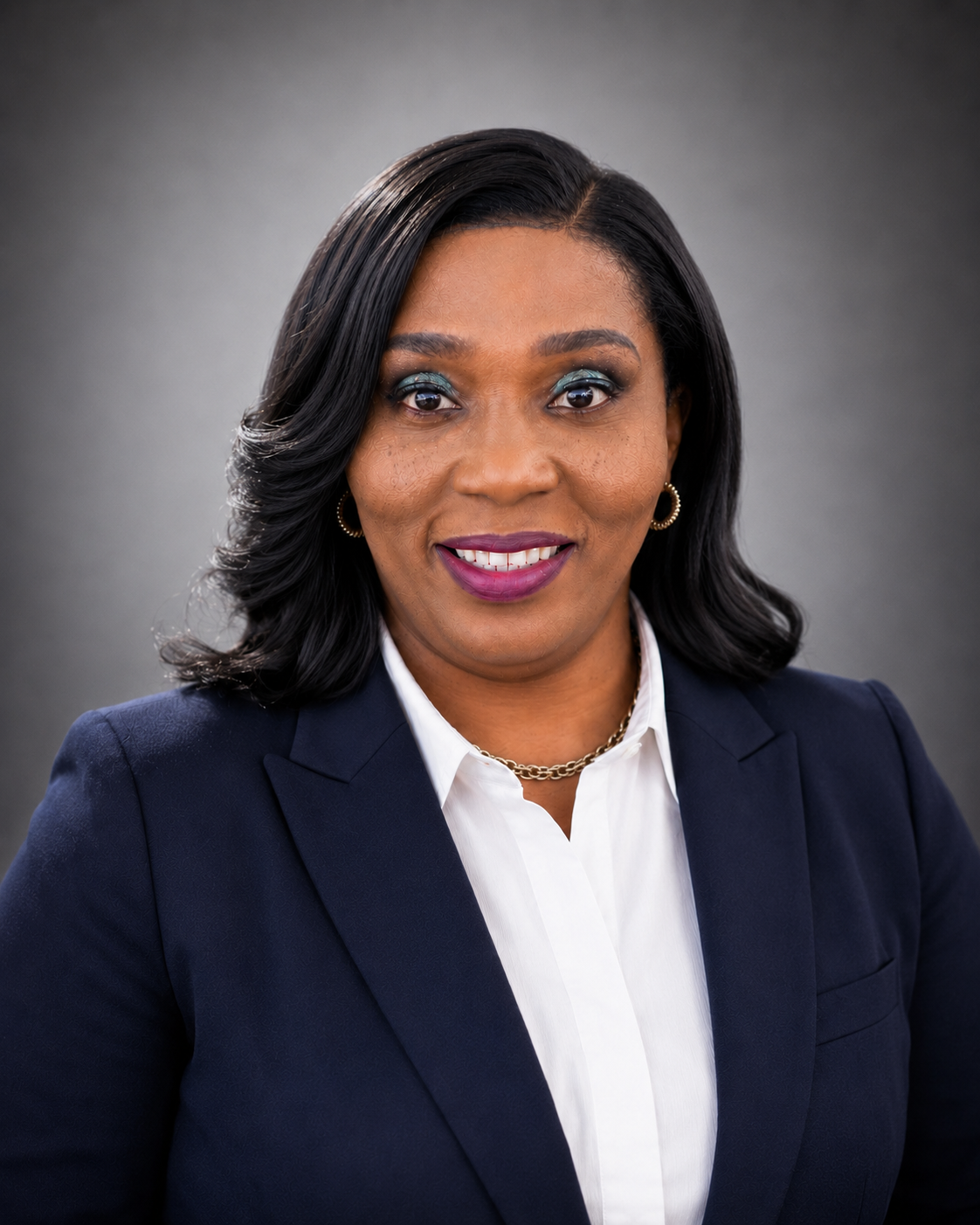
YOUR ADVISOR
Mukosolu Blessing Ezeife
Licensed Life Insurance Agent, Greatway Financial
Families navigating the RDSP for the first time often feel overwhelmed by the DTC process, the grant rules, and the holdback provisions. I help families understand the full picture clearly and put a plan in place that gets the government money working as early as possible.
For families with a member living with a disability, the RDSP often works best alongside a life insurance plan that protects the family's ability to keep contributing. These two things together can change the financial trajectory for someone who depends on long-term support. The consultation is free and there is no pressure.
Book a Free ConsultationEvery year the RDSP stays closed is a year of government money that cannot be recovered after age 49.
The grants carry forward for 10 years. The bonds for 10 years. But neither goes back further than that, and neither arrives without the account being open first.
Start the Conversation TodayMukosolu Blessing Ezeife is a Licensed Life Insurance Agent operating under Greatway Financial (MGA). Licensed with FSRA (Ontario) and AIC (Alberta). © 2026 Ezeife Financial. All rights reserved.